
 By
By 1. Geopolitical Escalation: The Flight to Safety (USD)
The most significant driver of today’s price action is the intensified conflict between the United States, Israel, and Iran. Reports of coordinated strikes and the death of high-ranking leaders have triggered a massive “risk-off” sentiment across global markets.
- Safe-Haven Dominance: Historically, during times of war, investors flee riskier assets (like stocks and the Euro) in favor of the liquidity and perceived safety of the US Dollar.
- The Strait of Hormuz Crisis: The Iranian Revolutionary Guard’s announcement that the Strait of Hormuz is closed has sent shockwaves through the market. As a chokepoint for 20% of the world’s crude oil, this closure represents a global disruptive event that disproportionately benefits the USD due to its status as the world’s reserve currency.
2. The Energy Shock and “Terms of Trade” (USD vs. EUR)
Rising energy prices are a “double whammy” for the EUR/USD pair. West Texas Intermediate (WTI) crude has surged toward $77 per barrel, and Brent has seen similar spikes.
- US Resilience: As Commerzbank analysts note, the United States is a net exporter of oil. Higher oil prices actually improve the U.S. “terms of trade,” making the Dollar structurally stronger.
- Eurozone Vulnerability: Conversely, the Eurozone is a major net importer of energy. Surging costs threaten to derail the “European industrial renaissance” that had supported the Euro earlier this year. Investors are now reappraising their “overweight” positions in European assets as the cost of production in Germany and France is expected to climb.
3. Diverging Central Bank Expectations (Fed vs. ECB)
The threat of an energy-led inflation spike is creating a divergence in how markets view the Federal Reserve (Fed) and the European Central Bank (ECB).
- Hawkish Shift for the Fed: US Treasury yields have jumped (with the 10-year yield rising 7 basis points) as traders dial down expectations for interest rate cuts. Sticky inflation, exacerbated by potential energy shocks and tariff pressures, suggests the Fed may need to keep rates “higher for longer.”
- ECB’s Fragile Position: While Eurozone inflation (HICP) unexpectedly rose toward 2% in February, the ECB faces a much tougher dilemma. Policymakers like Martin Kocher have signaled that the ECB must be ready to move in “either direction.” However, the market fears that a weakening Eurozone economy—burdened by high energy prices—will limit the ECB’s ability to hike rates as aggressively as the Fed.
4. Technical Breakdown and Market Positioning
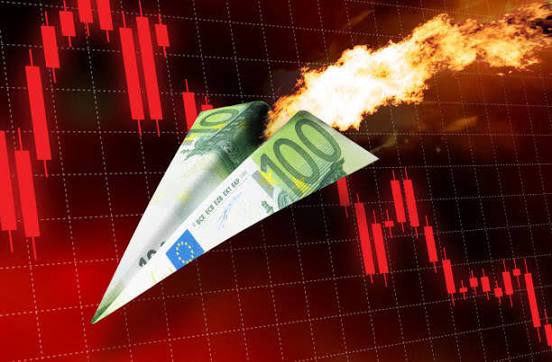
The breach of the 1.1600 support level has accelerated the decline due to technical selling and the triggering of stop-loss orders.
- Positioning Unwind: Many investors were positioned for a EUR/USD recovery based on recent Eurozone manufacturing data (HCOB PMI at 50.8). The sudden geopolitical shock has forced a rapid “unwinding” of these long-Euro positions, fueling the 0.85% intraday drop.
- DXY Strength: The US Dollar Index (DXY) has rallied 0.8% to 99.40, its highest level in over a month, confirming broad-based Greenback strength against all major peers except the Swiss Franc.